Where Industrial Firefighters Work
 Written By: Jeff Kirschner, General Manager
 Written By: Jeff Kirschner, General Manager
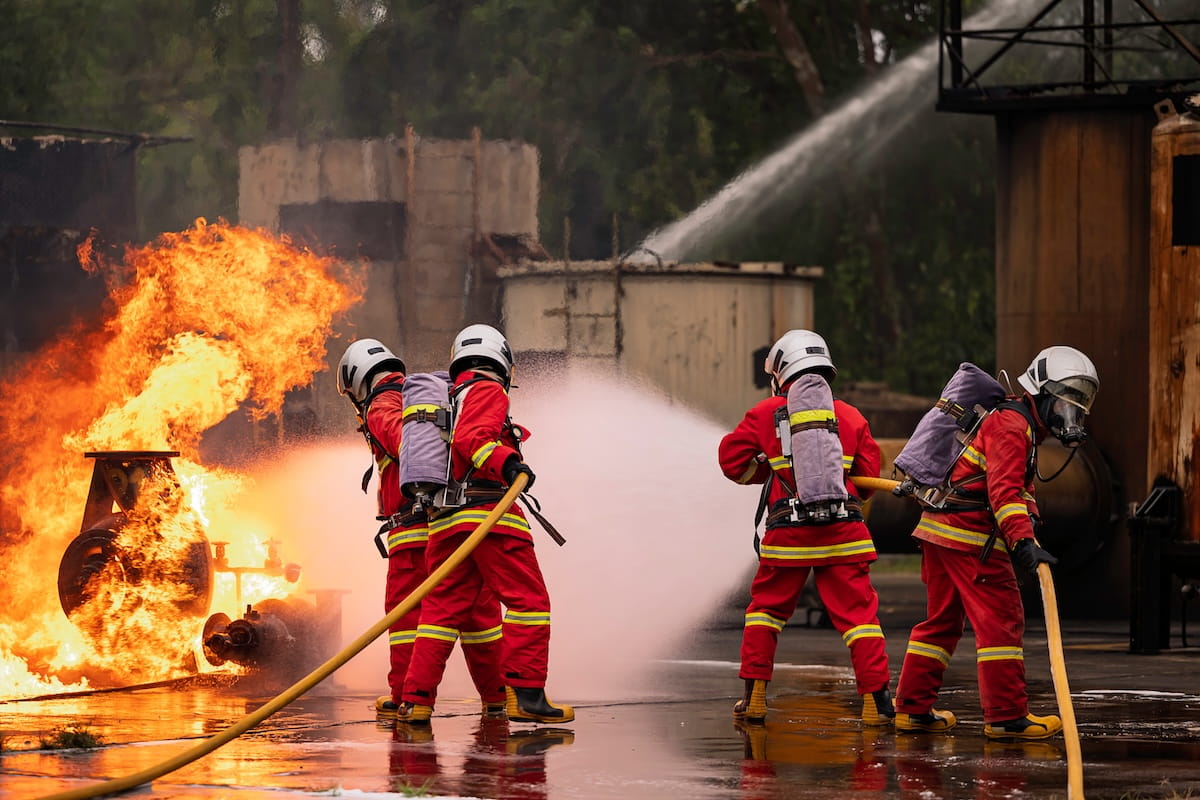
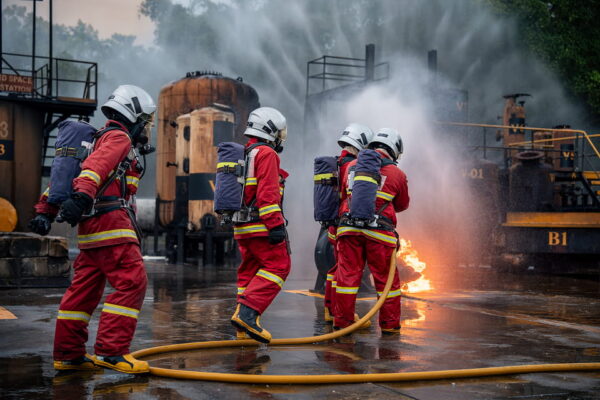
Industrial firefighters work in high-hazard industrial environments where specialized fire protection and emergency response are required. Common workplaces include oil refineries, chemical plants, petrochemical facilities, manufacturing plants, power generation facilities, mines, and oil and gas operations.
Unlike municipal firefighters, who respond to emergencies across a community, industrial firefighters are typically assigned to a specific facility or industrial site. Their training and responsibilities are shaped by the hazards, processes, equipment, and emergency response requirements of that workplace.
Industrial firefighters can work across a range of industries. Common workplaces include:
The specific responsibilities of an industrial firefighter vary depending on each workplace.
Industrial firefighting in chemical plants focuses on managing fires, chemical releases, and process-related emergencies involving hazardous substances and complex production systems.
Industrial firefighter roles in manufacturing are shaped by the materials, machinery, and production processes used at each facility. Fighting fire for a manufacturing plant may involve combustible materials, flammable liquids, compressed gases, electrical equipment, and hot-work activities such as welding and cutting.
Industrial firefighter duties in oil refineries focus on the fire and explosion risks associated with petroleum processing, flammable hydrocarbons, and high-temperature, high-pressure systems.
Many refinery operations run continuously, so industrial emergency response teams provide coverage around the clock.
Industrial firefighters may also work in environments that require specialized fire and emergency response capabilities.
Petrochemical facilities process chemicals and petroleum-based materials, which can pose significant risks of fire, explosion, and hazardous materials. Industrial firefighters provide specialized emergency response based on the facility’s processes and hazards.
Power generation sites contain large-scale electrical and mechanical systems, often alongside fuels and other combustible materials. Industrial firefighters respond to incidents involving generators, turbines, electrical equipment, and facility-specific systems.
Mining sites can present unique fire and rescue challenges because of their size, equipment, remote locations, and industrial processes. Industrial emergency responders may support fire response, rescue operations, and other site-specific emergencies.
Steel mills, metal processing plants, and fabrication facilities can pose risks including molten metals, furnaces, welding and cutting, heavy machinery, combustible materials, and flammable gases. Industrial firefighters may be required to respond to equipment fires, hot-work incidents, fuel or gas releases, and other emergencies tied directly to the facility’s production processes.
For more than 30 years, Trojan Safety has provided industrial safety and emergency response services across Western Canada, supporting high-risk industries including oil and gas, mining, forestry, pulp and paper, and construction. Our industrial fire services are designed to support workers and operations at remote and high-hazard worksites.
Trojan Safety recruits industrial firefighters across Alberta and British Columbia, offering opportunities to gain practical emergency-response experience and establish a lasting career in industrial fire and safety. Current industrial firefighter opportunities are available through the Trojan Safety careers page.
Trojan Safety industrial firefighters work across Alberta, British Columbia, and other parts of Western Canada, supporting high-risk industrial operations and remote worksites. Assignments include:
Yes, Industrial firefighters can work on contracts for private safety contractors that provide fire protection and emergency response services to industrial clients’ worksites. These positions may involve assignments at different client worksites, including oil and gas operations, plant turnarounds, mining sites, and other remote industrial locations.
For industrial firefighter positions with Trojan Safety, required certifications include NFPA 1001 Levels 1 and 2 and NFPA 1081 Facility Fire Brigade.
Applicants are also typically expected to hold a valid Class 3 driver’s license with an air brake endorsement and a clean driver’s abstract dated within the last three months.
Industrial firefighter qualifications vary depending on the workplace and the hazards involved. The following qualifications may be required or may strengthen the candidate’s application:
Trojan Safety offers H2S Alive, Confined Space Entry & Rescue, and Detection and Control of Flammable Substances. For scheduling, view our course calendar.