Emergency Medical Technicians (EMTs) and Primary Care Paramedics (PCPs) are sometimes grouped with first aid attendants in industrial, remote, and worksite environments due to their shared focus on emergency care and patient safety. However, there are essential differences in their training, scope of work, and certification requirements. Understanding how first aid attendants compare to EMTs and paramedics helps ensure the appropriate level of medical care is provided in various settings.
TL;DR: The Difference Between First Aid Attendants, EMTs, EMRs, and PCPs
What is a First Aid Attendant?
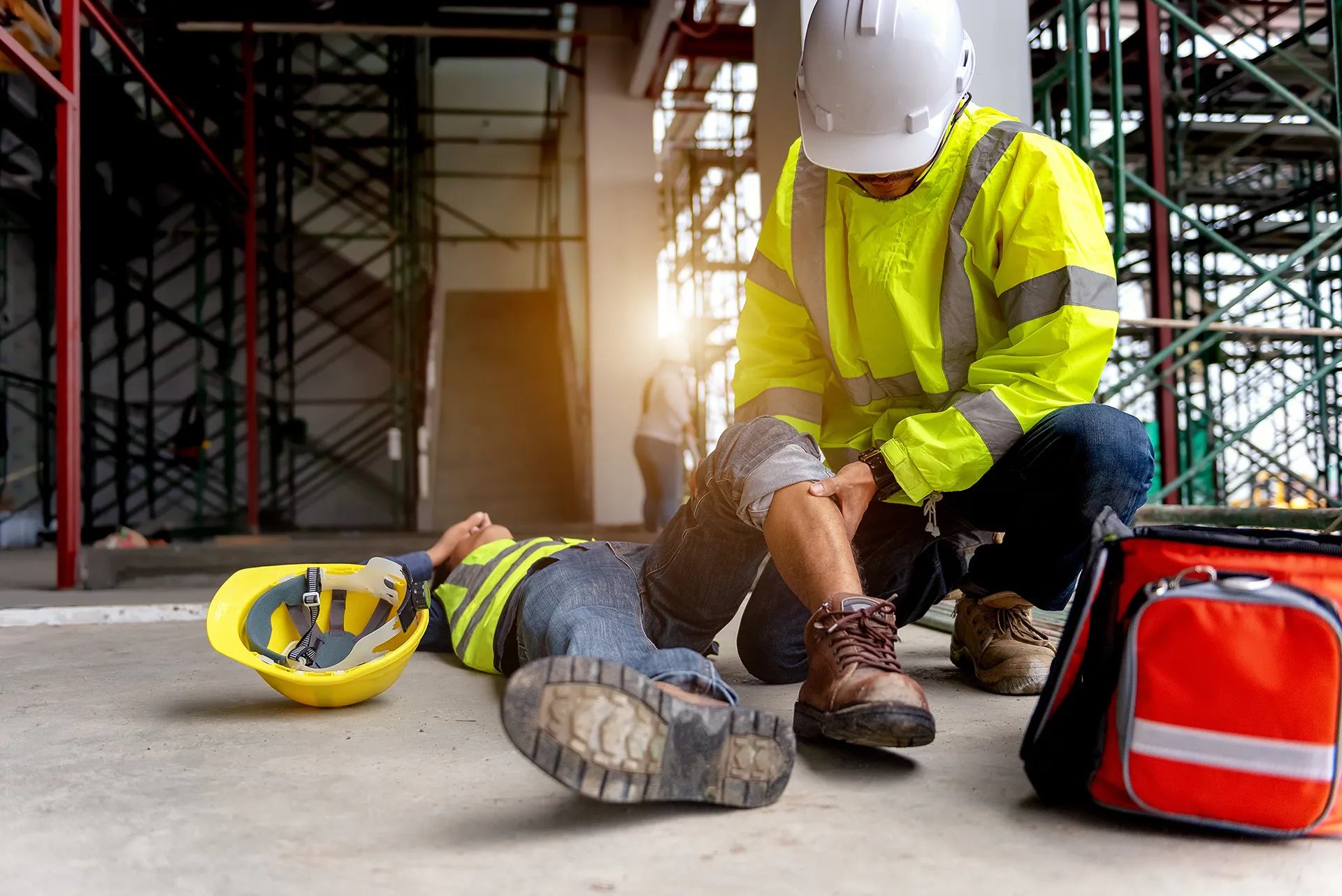
A workplace first aid attendant (first aider) is a designated worker with the required first aid certification who provides immediate first aid and helps coordinate further medical assistance during a workplace injury or illness
Responsibilities of a First Aid Attendant:
- Provide prompt first aid for injuries and sudden illness, within the scope of training and workplace procedures.
- Quickly assess the situation, determine whether additional help is needed, and activate the emergency response when required.
- Provide first aid at the scene until the situation is resolved or care is transferred to a higher level of medical assistance.
- Monitor and support the worker while waiting for EMS, or while arranging transport for medical assessment if needed.
- Use appropriate infection prevention practices, including gloves and barrier devices, when bodily fluids are present or likely to be present.
- Communicate clearly with the worker and others, and call for assistance without delay.
- Document what happened and what care was provided, using objective details like symptoms observed, reported exposures, and first aid treatments given, following site requirements.
- Recommend medical treatment when the injury or illness is severe, worsening, or beyond the first aid scope.
- Respect the worker’s right to seek medical attention at any time.
- Maintain valid first aid certification as required for the role, and be able to show proof if asked.
- Be physically and mentally capable of performing first aid duties, and notify the employer if limitations could affect response.
- Know the locations of first aid kits, rooms, or stations, and report any access issues immediately.
- If assigned, help inspect supplies, report shortages, and restock or replace items in accordance with workplace procedures.
Training Requirements for First Aid Attendants
- Entry-level First Aid + CPR/AED (often called Emergency or Basic First Aid): Core skills to respond to common injuries and sudden illness until higher care is available.
- Standard First Aid + CPR/AED (sometimes described as Intermediate by some providers/employers): Broader assessment and treatment skills for a wider range of workplace incidents and medical situations.
- Advanced First Aid: More comprehensive training for higher-risk, remote, or complex workplace response needs, including ongoing care while awaiting or during transfer to medical help.
- Worksite-specific add-ons (as required): Some workplaces/jurisdictions require additional training based on risk and remoteness (for example: remote/wilderness, marine, oxygen, BLS, rescue/evacuation, or transport/driver-related requirements).
- Recertification and refreshers: First aid certificates expire and must be renewed to remain current. Many major providers issue certificates valid for 3 years, and CPR/AED refreshers are commonly recommended more often (e.g., annually). Always follow your local OHS rules.
First Aid Attendant vs EMT
The scope of practice of a first aid attendant versus an EMT comes down to training, authorization, and medical responsibility. A first aid attendant is a designated workplace responder who provides immediate first aid within their scope of practice and in accordance with workplace procedures until care is transferred.
An EMT works within the emergency medical system and provides broader pre-hospital patient assessment and treatment under protocols and medical direction, often supporting or performing patient transport and a formal handoff to a receiving facility.
Canadian aside: Canada doesn’t use “EMT” as consistently as the U.S. If you’re using “EMT” to mean an entry-level EMS clinician, the closest Canadian equivalent is often the Emergency Medical Responder (EMR) (and in many regions, the next level up is Primary Care Paramedic). EMR training and oversight can be more formal than people expect, including approved education and entry-to-practice requirements that vary by province.
Responsibilities of an EMT
- Respond to calls for medical assistance and arrive on scene ready to work within EMS protocols.
- Assess the patient’s condition and determine the immediate treatment needed.
- Provide pre-hospital care, including first aid and life-support measures, within the EMT scope of practice.
- Perform life-saving interventions such as CPR/AED, airway support, and oxygen administration when indicated and authorized.
- Manage trauma and medical emergencies using approved techniques (for example: bleeding control, bandaging, splinting, and spinal precautions, often described today as spinal motion restriction).
- Prepare patients for transport and safely transport them to a hospital or other appropriate facility, following local procedures and directions.
- Communicate clearly with dispatch, other responders, and receiving medical staff to support a clean handoff of care.
- Document assessment findings, observations, and treatments provided, and report that information to the receiving team.
- Inventory and replace supplies, and clean or decontaminate equipment and the patient care area after calls.
- Keep equipment and supplies ready for the following response.
Training Requirements for EMTs
- Education: Completion of a recognized paramedicine or emergency medical technology program, typically 1 to 3 years, delivered through a college, hospital-based, or other approved training institution.
- Licensing or certification: You must meet the registration/licensing/certification requirements set by your province or territory. In Canada, licensing by a regulatory body is required in all provinces.
- Driver’s licence: If you operate an ambulance or other emergency vehicle, you need an appropriate class of driver’s licence (plus any service-specific driving requirements).
First Aid Attendant vs Primary Care Paramedic (PCP)
In Canada, the scope of practice for a workplace first aid attendant versus a paramedic is mainly defined by training level, authorization, and medical responsibility. A first aid attendant is a designated worker who provides prompt first aid and basic stabilization at the worksite, documents signs and symptoms, and refers a worker for medical treatment when injuries are severe or beyond their training, until care is transferred.
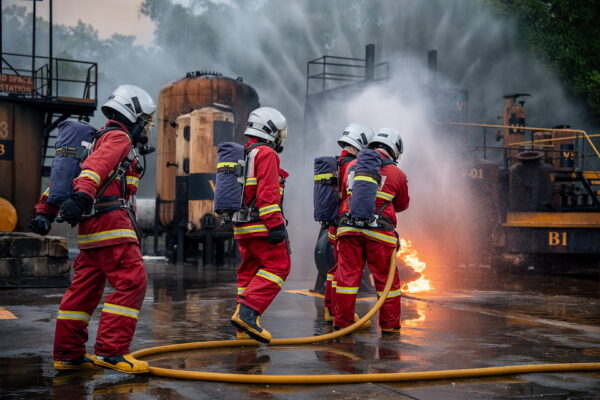
A paramedic works within Canada’s emergency medical services (EMS) system, providing pre-hospital emergency medical care and often transporting patients to a hospital or other facility. Paramedics practise under provincial or territorial requirements, service protocols, and medical direction, and their scope may include advanced assessment, airway interventions, and medication administration, depending on the level of provider (e.g., EMR, PCP, ACP, or CCP) and the jurisdiction.
Responsibilities of a Paramedic
Depending on the province/territory, service, and provider level (e.g., PCP/ACP/CCP), duties may include:
- Respond to emergency calls and assess the scene and patient condition.
- Evaluate the extent of injury or illness (including trauma, respiratory distress, overdose/poisoning, industrial incidents, and other emergencies) to determine treatment.
- Provide pre-hospital emergency medical care and stabilize patients before and/or during transport.
- Perform life-saving interventions within scope, such as CPR/AED, oxygen therapy, bandaging, splinting, and spinal precautions (often referred to as spinal motion restriction).
- Establish and maintain IV therapy, administer medications, and use adjunct equipment for ventilation/circulation complications when authorized by protocols and medical direction for that level.
- Prepare for and carry out patient transport and transfer care to a hospital or other medical facility (by land, air, or water, as available).
- Communicate and coordinate with dispatch, hospital staff, police, fire, and other responders to support safe, continuous care.
- Accurately document patient assessments, treatments provided, and observations.
- Maintain, clean/decontaminate, and restock emergency medical equipment and supplies so they’re ready for the next call.
- Safely move and position patients and equipment as needed (the role has significant physical demands).
- Assist hospital personnel with ongoing care when required and appropriate.
- Support triage during high-volume or mass-casualty incidents when required.
- Train or supervise other paramedical personnel where applicable.
Training Requirements for Paramedics
- Education: Completion of a recognized paramedicine/emergency medical technology program, typically 1 to 3 years, delivered through a college, hospital-based, or other recognized training institution.
- Practice level certification: Canada commonly recognizes national practice levels such as EMR, PCP, ACP, and CCP (the exact levels used and what each can do vary by jurisdiction).
- Licensing/registration: You must meet the licensing, registration, or certification requirements of the province or territory where you practise. Licensing by a regulatory body is required in all provinces, and requirements differ by jurisdiction (including how regulation is handled).
- Continuing competence: Ongoing renewal and continuing competence/education requirements are typically set by the regulator or the provincial/territorial EMS system and can include CME/CE credits, skills maintenance, and periodic recertification.
- Driver’s licence: If you operate an ambulance or other emergency vehicle, an appropriate class of driver’s licence is required.
Trojan Safety Offers the First Aid Training Required for Emergency Response Jobs
Trojan Safety is a leading provider of first aid training for emergency response jobs across Canada. Our programs are built for industrial and remote worksites, combining hands-on training with certifications that meet provincial and industry requirements.
View upcoming courses and register on the Trojan Safety course calendar.
 Written By: Jeff Kirschner, General Manager